
THE HR PULSE
Workforce Readiness in Times of Change
Supporting organizations through workforce change, operational clarity, compliance awareness, and long-term organizational growth.
EXECUTIVE INSIGNT
Building Stronger Foundations Before Change
As organizations move deeper into Q2, many leaders are balancing operational demands while navigating rapid workplace change. Conversations around AI, workforce expectations, efficiency, and organizational growth are accelerating across industries — but technology alone is rarely the deciding factor in long-term success.
This month, we’re focusing on leadership readiness, workforce stability, compliance awareness, operational clarity, and the systems that help organizations navigate growth and change more effectively.
Organizations that adapt successfully are often the ones with strong leadership alignment, clear communication, and operational consistency already in place.
FEATURED INSIGNT
Why AI Readiness Is Really a Leadership Challenge
As artificial intelligence becomes a larger part of workplace conversations, many organizations are asking the same question:
How do we prepare our teams for what’s next?
What many organizations quickly discover is that AI readiness is not simply a technology initiative — it is a leadership and operational challenge.
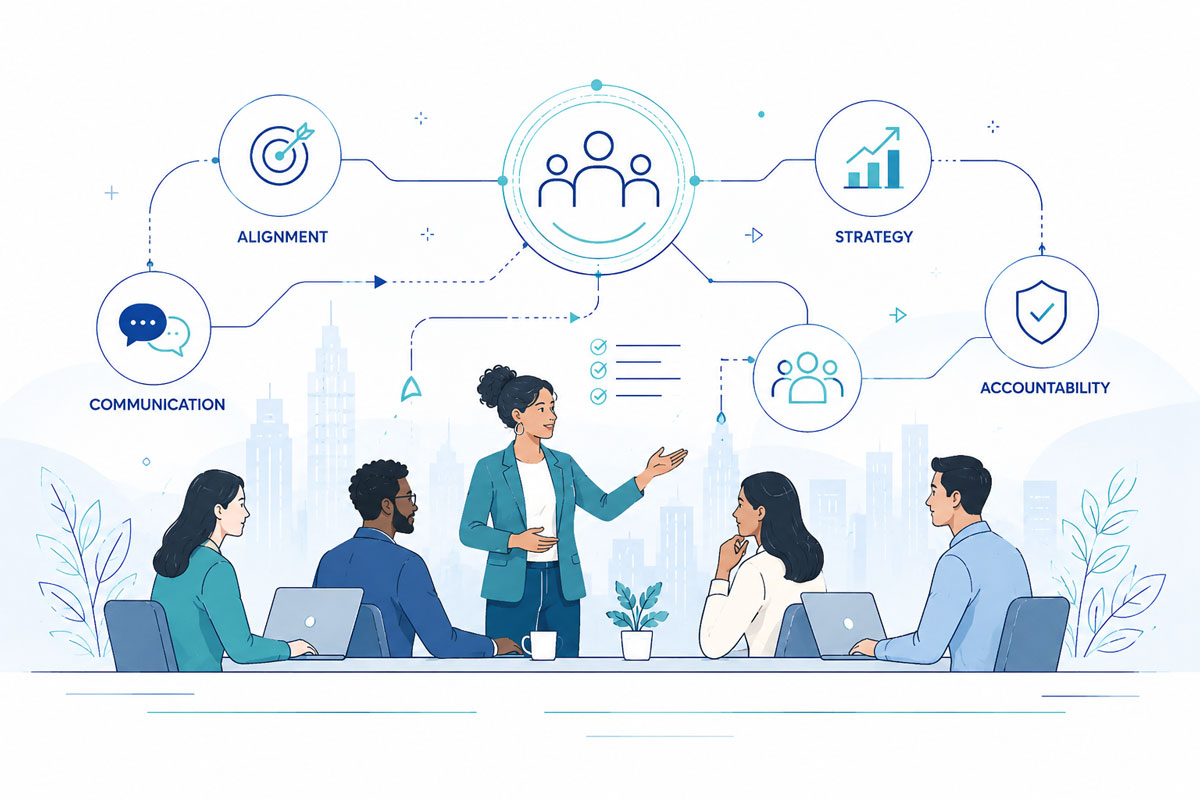
New technologies often expose existing gaps in communication, accountability, workflow structure, decision-making, and management consistency. Without strong leadership alignment, even the best tools can create confusion, inefficiencies, and employee uncertainty.
Organizations navigating change successfully often begin by asking:
- Are roles and responsibilities clearly defined?
- Are managers equipped to lead through change?
- Do teams understand expectations and workflows?
- Is communication consistent across departments?
- Are operational processes scalable and sustainable?
LEADERSHIP PRINCIPLE
“Process Before Platform”
Technology can improve efficiency, but leadership determines how effectively organizations adapt. Organizations that strengthen leadership readiness and operational clarity are better positioned for long-term success.
Interested in leadership readiness workshops or organizational strategy discussions?
Barry J. Vose, SHRM-SCP
Senior Leadership Consultant
WORKFORCE PRIORITIES
Mid-Year HR Priorities for Growing Organizations
As organizations move through Q2, this is an ideal time to evaluate the systems, policies, communication practices, and workforce processes that support consistency, compliance, and long-term growth.
Policy & Handbook Review
Review employee handbooks and policies to ensure they reflect current practices and expectations.
Compliance Alignment
Confirm labor law postings, compliance notices, classifications, and documentation practices are up to date.
Workforce Communication
Evaluate whether expectations, workflows, and internal communication practices are clear across teams.
Mid-Year Planning
Begin planning for performance conversations, retention discussions, staffing needs, and future growth.
Operational Consistency
Assess workflows, documentation, and processes for clarity, efficiency, and scalability.
AI & Workplace Policies
Begin internal conversations around responsible AI use, employee guidance, and workplace expectations.
Need support navigating workforce planning, compliance, or operational HR priorities?
COMPLIANCE & REGULATORY UPDATES
Key Workforce & Compliance Updates Employers Should Be Watching
Several workforce and compliance developments continue to shape employer responsibilities in 2026. Staying proactive can help organizations reduce risk, improve communication, and maintain operational consistency.
⚖ DOL Update
Overtime Exemption Threshold Changes
Employers should continue monitoring overtime exemption requirements and salary threshold developments that may impact employee classification decisions.
Why It Matters
Misclassification risks can lead to wage and hour concerns, operational disruption, and increased compliance exposure.
Recommended Action
Review exempt employee classifications, salary structures, and workforce documentation practices.
📄 IRS Update
“No Tax on Tips” Reporting Considerations
Employers in hospitality and service-related industries should stay informed on evolving guidance tied to tip reporting and payroll administration requirements.
Why It Matters
Payroll procedures, employee communication, and reporting accuracy may require updates as additional clarification develops.
Recommended Action
Coordinate with HR, payroll, and advisory teams to evaluate reporting processes and workforce communication strategies.
Proactive workforce planning and compliance reviews can help organizations stay ahead of operational and regulatory challenges before they become larger business risks.
Need guidance navigating workforce compliance, HR policies, or regulatory updates?

PRACTICAL TIP OF THE MONTH
Technology Will Not Fix Operational Confusion
Before implementing new tools or systems, organizations should first evaluate whether employees clearly understand:
- Roles and responsibilities
- Communication expectations
- Decision-making authority
- Workflow processes
- Performance standards
Operational clarity creates a stronger foundation for successful growth and change.
PARTNER PERSPECTIVE
Practical HR Support for Every Stage of Growth
As workforce expectations continue evolving, organizations that prioritize clarity, communication, and operational consistency will be better positioned for long-term success.
At Delta Administrative Services with Gotcha Covered HR, we’re committed to helping organizations strengthen HR systems, support their people, and navigate change with greater confidence.