
THE HR PULSE
Spring Edition, March 2026
As March comes to a close, many business owners are juggling tax preparation, reviewing first-quarter performance, and starting to think ahead to Q2. It’s a full season—but also one of the most valuable times to pause and evaluate how your people, processes, and policies are supporting your business. The decisions you make now can set the tone for the rest of the year.
Below are four key HR areas worth your attention before the quarter officially wraps.
What Tax Season Reveals About Your HR Practices
Tax season has a way of bringing everything into focus. While most attention is placed on financials, it often reveals something just as important—how well your HR practices are structured behind the scenes.
Accurate filings depend on more than clean bookkeeping. They rely on consistent payroll processes, proper employee classifications, and well-maintained records. When something is off, this is typically the time it surfaces.
One of the most common issues businesses encounter is worker classification. The distinction between employees and independent contractors isn’t always straightforward—but getting it wrong can lead to penalties, back taxes, and unnecessary risk. Even well-intentioned decisions can create complications if they’re not aligned with current guidelines.
This is also when payroll accuracy comes into sharper focus. Small discrepancies throughout the year—whether in wages, benefits, or reporting—can become larger concerns when documentation is pulled together all at once.
Rather than viewing tax season as a deadline to meet, it can be helpful to treat it as a checkpoint.
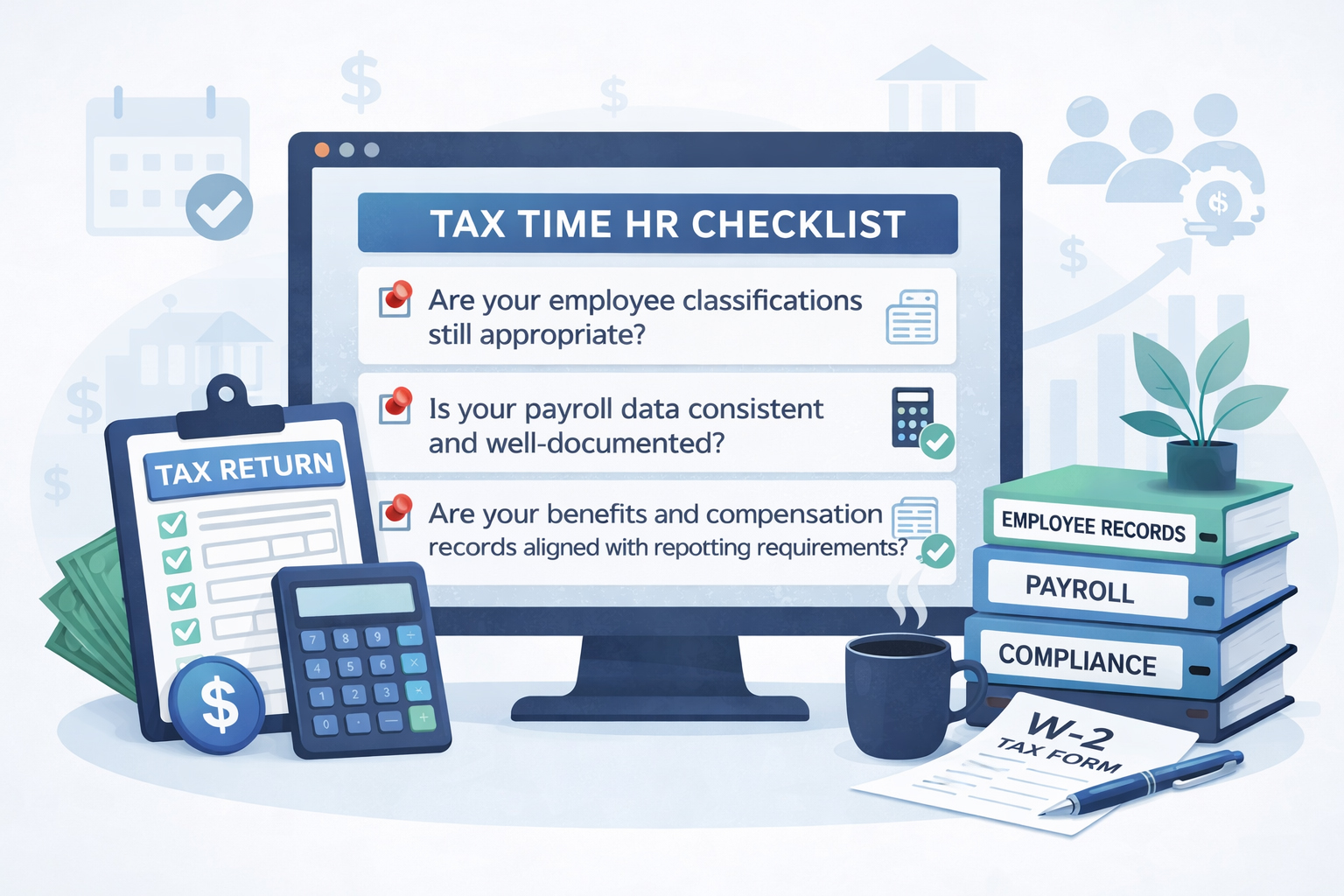
📌 Are your employee classifications still appropriate?
📌 Is your payroll data consistent and well-documented?
📌 Are your benefits and compensation records aligned with reporting requirements?
Taking time to review these areas now not only supports accurate filing—it strengthens the overall foundation of your business operations.
For many organizations, the biggest value of tax season isn’t just compliance—it’s visibility. It provides a clear picture of where your processes are strong and where there may be opportunities to improve.
Q1 Checkpoint: Evaluating Team Alignment & Performance
As you close out the first quarter, this is a natural point to assess how your team is performing—not just individually, but as a whole,
By this stage in the year, expectations should be clear, workflows established, and priorities in motion. If there’s confusion, misalignment, or underperformance now, it’s worth addressing before those issues become more difficult to correct later.
Many businesses rely solely on mid-year or annual reviews, but those timelines can delay important conversations. A Q1 checkpoint allows leaders to step in early, reinforce expectations, and provide clarity where it’s needed.
This doesn’t require a formal process. In many cases, a few focused conversations can uncover what’s working—and what isn’t.
Consider:
- Are your employees clear on what success looks like right now?
- Do your managers feel confident leading and supporting their teams?
- Are there early signs of disengagement or burnout?
Alignment at the leadership level translates directly into performance across the organization. When expectations are clear and communication is consistent, teams operate more efficiently and with greater accountability.

Is Your Employee Handbook Keeping Up with Your Business?
Workplace expectations have evolved significantly over the past few years, but many employee handbooks haven’t kept pace.
Policies that once worked well may no longer reflect how your business operates today. Whether it’s changes in scheduling, remote work, or compliance requirements, outdated documentation can create confusion and increase risk.
Your employee handbook serves as a foundation for consistency. It sets expectations, guides decision-making, and provides employees with clarity. When it’s outdated or incomplete, it can lead to uneven enforcement and unnecessary exposure.
March is an ideal time to revisit this document and ensure it aligns with your current environment.
✔️ Does it reflect how your team actually works today?
✔️ Are your policies clear, consistent, and enforceable?
✔️ Have you accounted for recent compliance updates or workplace changes?
You don’t need a complete overhaul—but you do need accuracy. A well-maintained handbook supports both your leadership team and your employees, creating a more stable and predictable workplace.

Why Proactive Hiring Strategies Outperform Reactive Ones
Hiring is one of the most important—and most commonly rushed—decisions a business makes.
Too often, hiring begins when there’s an immediate need. A role opens unexpectedly, workloads increase, or growth accelerates faster than planned. The result is a reactive process that prioritizes speed over strategy.
As you look ahead to Q2 and beyond, now is the time to evaluate your workforce needs before urgency sets in. This allows you to approach hiring with intention rather than pressure.
Start by looking at your current team structure. Are there gaps? Are certain roles evolving as your business grows? From there, review your job descriptions to ensure they reflect current expectations—not outdated responsibilities.
It’s also important to consider the consistency of your hiring process. Clear steps, defined criteria, and structured interviews not only improve hiring outcomes—they also reduce risk and improve the candidate experience.
💡 Strong hiring isn’t reactive—it’s planned.
When you prepare in advance, you position your business to attract stronger candidates, make better decisions, and build a team that supports long-term success.

One Next Step
As you close out the first quarter, this is a valuable opportunity to ensure your HR practices are aligned, effective, and supporting your broader business goals.
Small adjustments now—whether in compliance, performance management, or hiring strategy—can create meaningful impact in the months ahead.
If you’d like support reviewing your HR processes or preparing for Q2, Delta Administrative Services with Gotcha Covered HR is here to help.
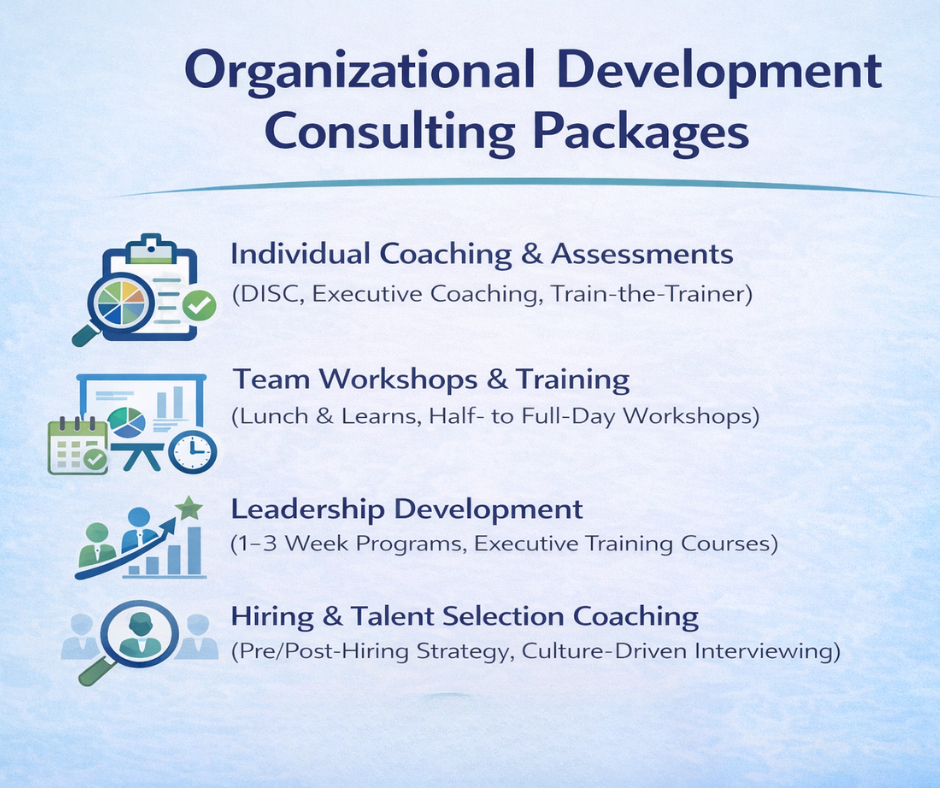
A Local Partner You Can Rely On
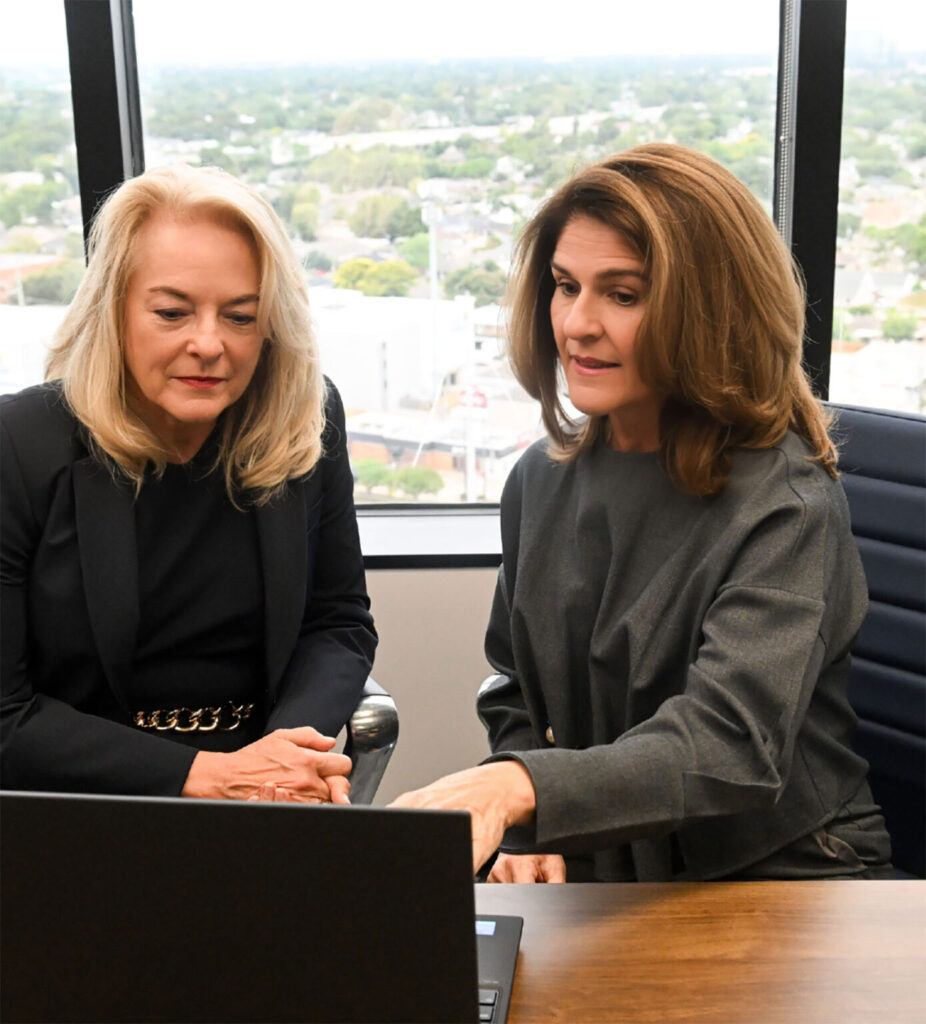
| Running a business means constantly balancing priorities—your team, your operations, and staying compliant while continuing to grow. Having the right HR partner helps bring clarity to those moving pieces. As a locally owned and operated team, we understand the day-to-day realities businesses face in our community. Our role is to provide practical guidance and consistent support that aligns with how your business actually operates. What you can expect: ✔️ Clear, straightforward HR guidance ✔️ Practical support tailored to your business ✔️ A trusted partner focused on long-term success With the right support in place, you can lead with confidence, reduce risk, and stay focused on what matters most. |
| Teresa Lawrence CEO, Delta Administrative Services Patricia E. Pannell, J.D. President & CEO, Gotcha Covered HR Powered by Delta |