THE HR PULSE
In this month’s HR Pulse, we’re exploring practical ways to strengthen both the people and the processes behind a successful organization. From leadership development and AI readiness to essential HR operations, this issue highlights strategies to help your business build a stronger foundation for continued growth.
STRONGER OPERATIONS. BETTER LEADERSHIP.
The first month of a quarter tells you a lot about your HR operations
Payroll runs. New hires come on board. Benefits questions arrive. Managers handle situations they were not necessarily trained for. Most of it works. The gaps tend to surface quietly — a deadline that slipped, a file that was never completed, a question no one was sure who owned. A quarter that is already underway is a useful place to look, because the evidence is recent and the year is not yet over.
FEATURED PROGRAM

LEADERSHIP & AI READINESS
Preparing leaders for promotion — and organizations for AI
Organizations often invest heavily in hiring talent and selecting technology, but far less in preparing people for the transitions that follow. A newly promoted manager needs more than a title, and a team adopting new technology needs more than a platform. Both require clear expectations, practical tools, and structured support.
Delta Administrative Services with Gotcha Covered HR has introduced two programs designed to support these transitions directly.
- Promotion Readiness & Transition Toolkit supports employees moving into leadership for the first time, covering the shift from individual contributor to manager, the expectations that come with it, and the conversations new managers are least prepared to have.
- AI Readiness & Technology Adoption Training helps teams prepare for technology change — how workflows may shift, where human judgment remains essential, and how to adopt new tools without disrupting the practices that already work.
Both programs are led by Barry J. Vose, SHRM-SCP, Senior Leadership Consultant, and draw on DISC assessment, coaching, transition planning, and implementation guidance.
EXECUTIVE INSIGHT
Growth exposes operational gaps
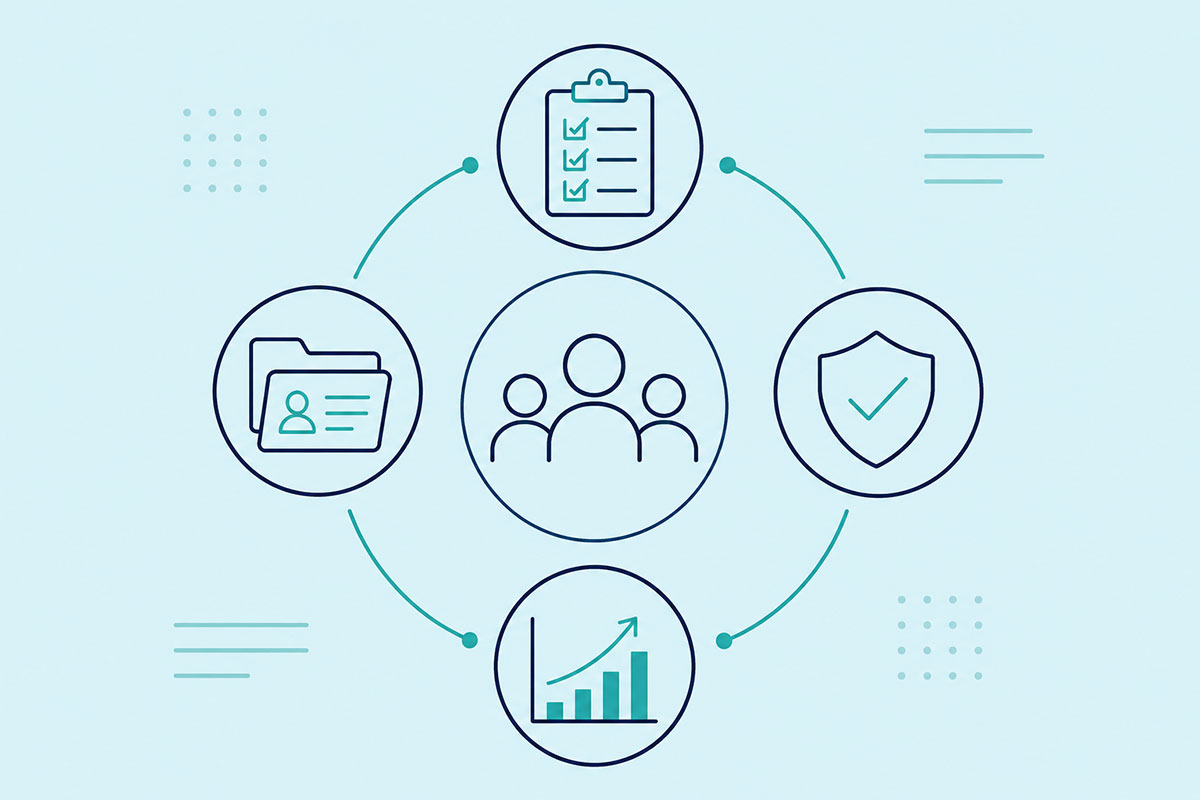
Most HR problems do not begin as problems. They begin as small inconsistencies that were manageable at a smaller headcount — a manual step in payroll, an onboarding checklist that lives with one person, a benefits record that was corrected but never documented.
As an organization adds employees, locations, or managers, those inconsistencies stop being absorbed by individual effort. They start producing real consequences: correction cycles in payroll, eligibility disputes at enrollment, incomplete files when documentation is requested, and managers who each handle the same situation a slightly different way.
The organizations that handle growth well are rarely the ones with the most complex HR systems. They are the ones whose basic processes are consistent enough to scale without being rebuilt.
HR OPERATIONS REVIEW
Five HR processes worth reviewing now that Q3 is underway
None of these require a full audit. A focused review of each area can begin in an afternoon, and each tends to reveal whether the underlying process is documented or simply remembered.
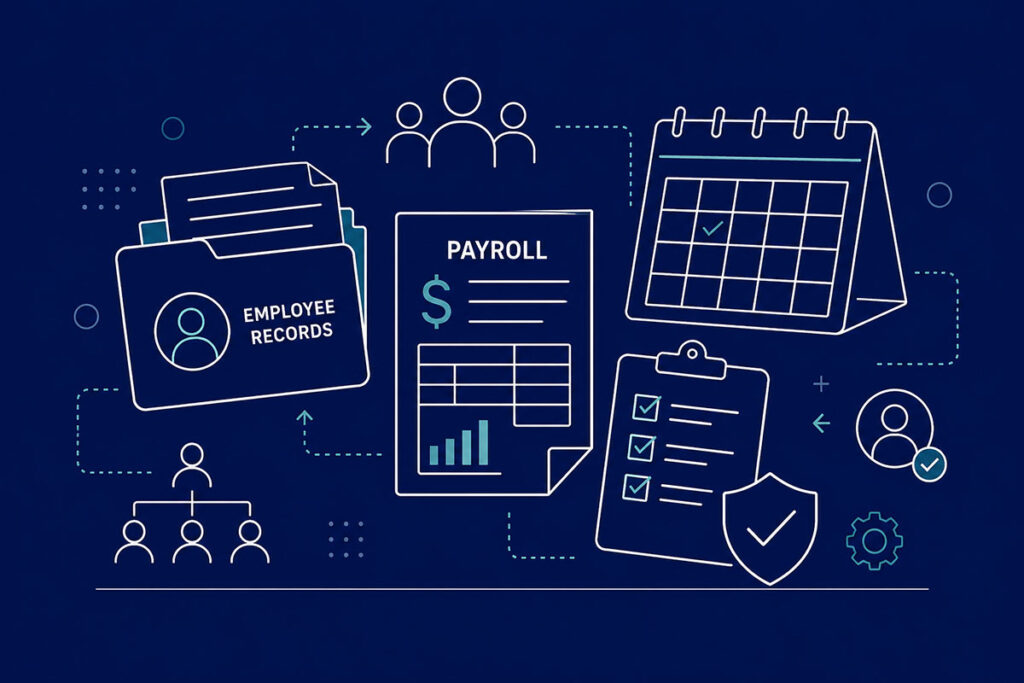
- Payroll and timekeeping
Look at how many corrections were issued last quarter and what caused them. A pattern in the cause matters more than the count. - Benefits eligibility and enrollment records
Confirm that eligibility status, effective dates, and qualifying life event changes are documented in one place and match what the carrier has. - Employee files and documentation
Check whether a complete file could be produced on request for any employee, including recent hires. Gaps are most common in the newest records. - Onboarding and offboarding
Compare the process for your most recent hire against the process for the one before. If they differ without a documented reason, the process may be relying more on individual memory than a consistent system. - Manager communication and escalation
Identify what a manager is expected to handle directly and what should come to HR. Where that line is unclear, issues either escalate too late or not at all.
If any of these raised a question rather than a confirmation, that is the useful outcome.

PARTNER PERSPECTIVE
Stronger systems support stronger leaders
Delta Administrative Services strengthens the HR infrastructure that keeps organizations operating effectively. Gotcha Covered HR supports the leaders, managers, and teams navigating growth, change, and development. Together, Delta Administrative Services with Gotcha Covered HR supports both the systems and the people behind a successful organization.
CONTINUE EXPLORING
Delta Administrative Services
Learn more about our partnership →
Gotcha Covered HR
Explore leadership and organizational development resources →
YOUR NEXT STEP
Move through the rest of the quarter with greater HR clarity
If reviewing those five processes surfaced more questions than answers, that is a productive place to begin a conversation.